
Anchoring & Fixing Systems
Anchors and Fixings for Work That Cannot Come Loose.
Wall anchors, chemical fixings and MEP suspension from Fischer of Germany, the range structural engineers specify worldwide, supplied factory-direct and held in stock in Amman.
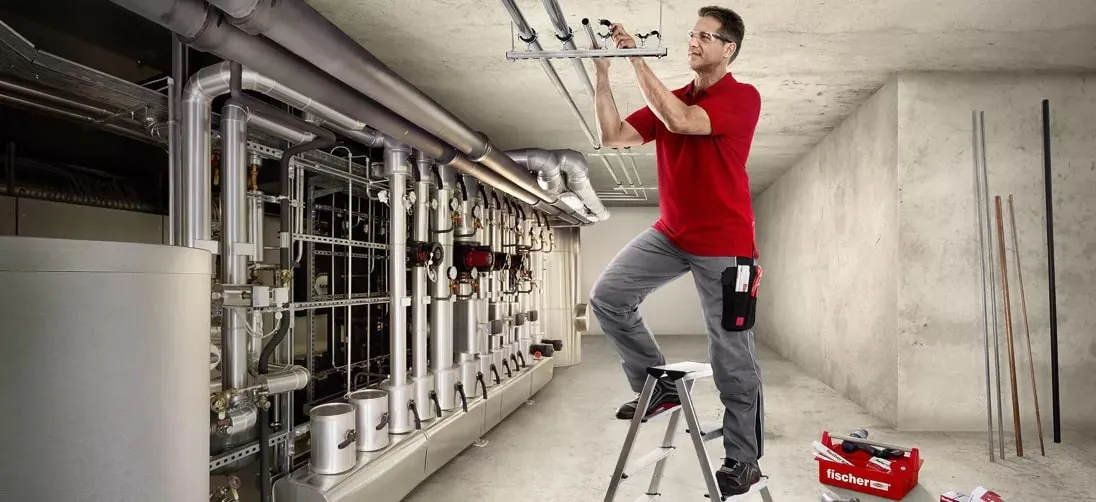
Why Fischer
Fischer is the global benchmark for anchoring technology. Founded in Germany in 1948, Fischer systems are specified on projects where a fixing failure is not an option: structural connections, façade systems, heavy suspended loads, and safety-critical installations. When a structural engineer signs off on a Fischer anchor, they do so knowing the product has been tested under ETA (European Technical Approval) and has decades of verified performance on site.
We supply the full Fischer range direct from the factory. No middlemen, no repackaging, no substitutions.
Key Benefits
- ETA-approved across the range: engineered and tested to the highest European standards for load-critical applications
- Full system compatibility: anchors, chemical fixings, bolts, rails and suspension hardware designed to work together
- Manufacturer-direct supply: every product original, every warranty original
- Stocked in Amman: no long lead times from Europe; product available when your project needs it
- Technical support on specification: free consultation on anchor selection, load calculations, and installation method
Who This Is For
- Structural and civil engineers specifying load-critical fixings
- Façade and curtain-wall contractors, and MEP contractors suspending heavy services
- General contractors responsible for warranty-covered fixings
- Safety and project consultants verifying specification compliance
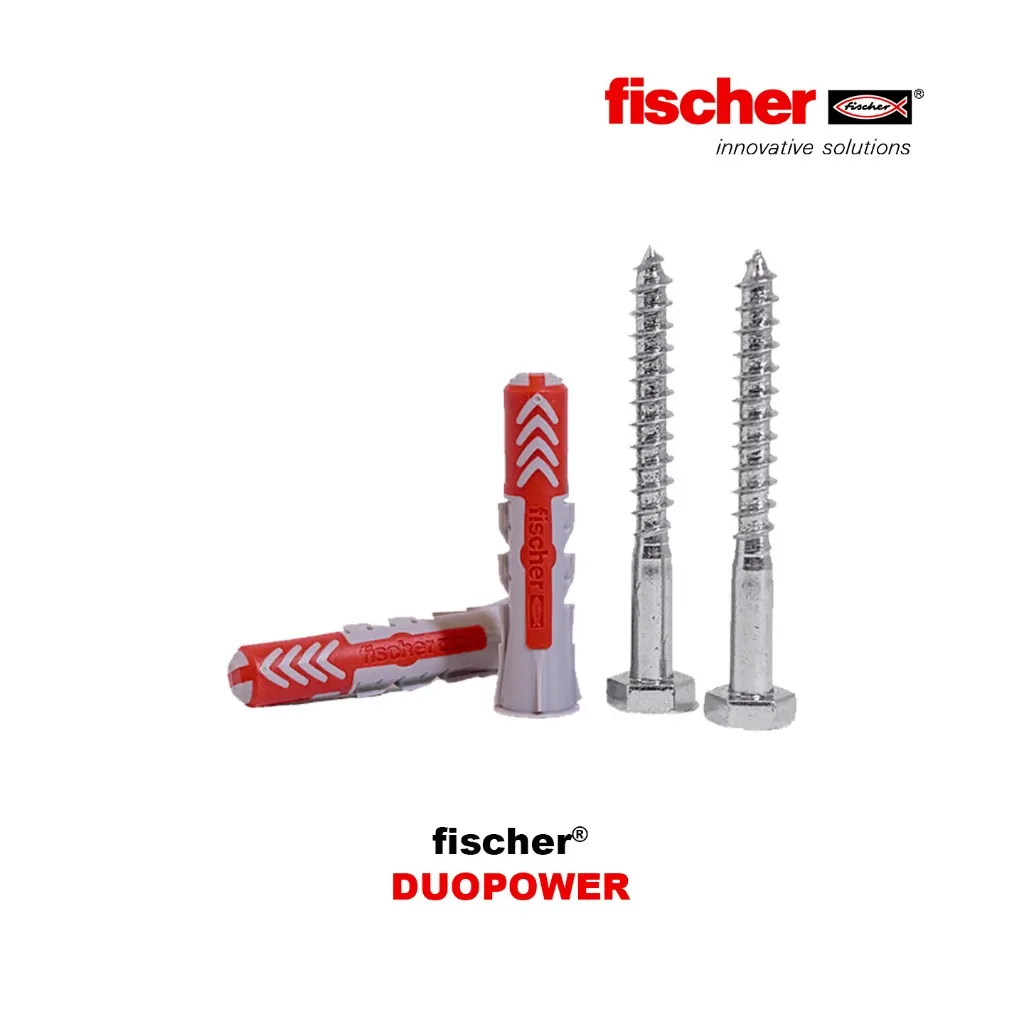
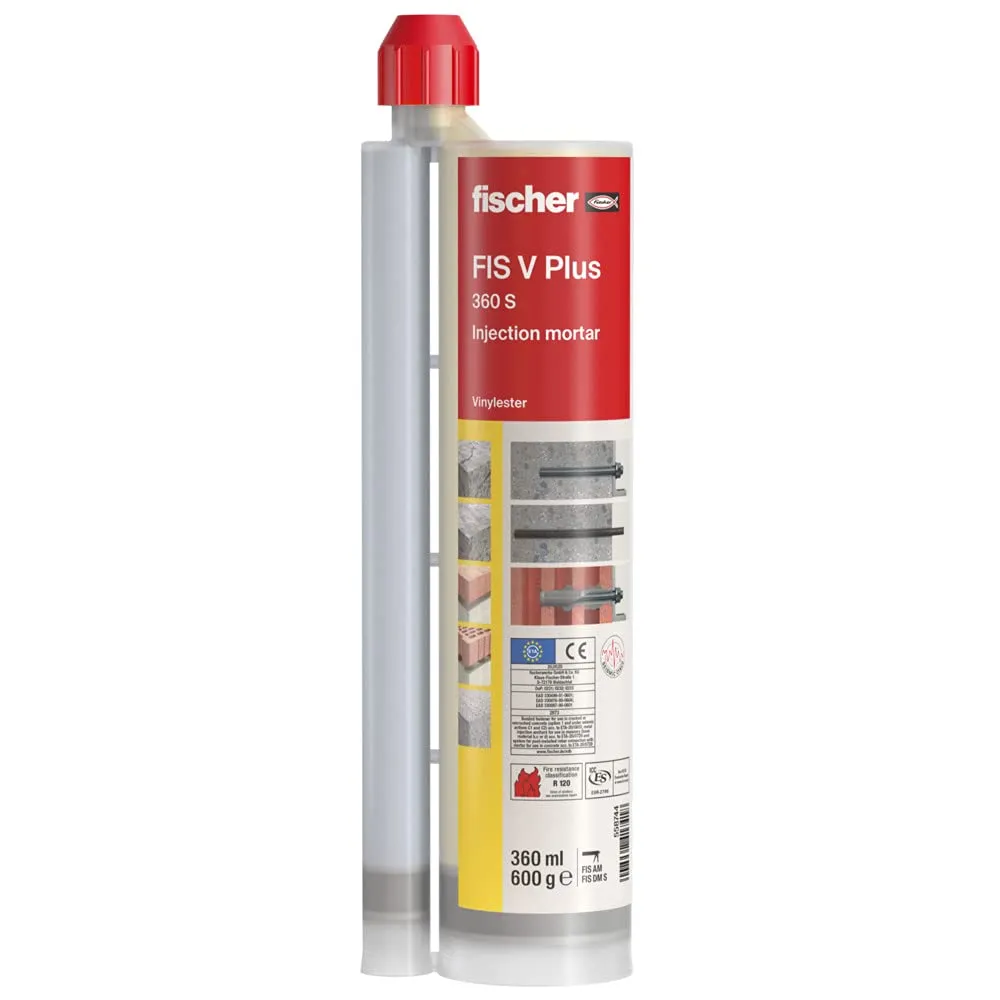
The Fischer range we supply covers the full spectrum of building fixings you are likely to encounter on a Jordanian project. On the mechanical side, we stock wedge anchors, sleeve anchors, drop-in anchors and through-bolts for concrete and masonry substrates. On the chemical side, we supply injection systems for high-load applications in both cracked and uncracked concrete. For suspended services, our range includes rails, threaded rods and connecting hardware engineered to system-level loads.
What sets Fischer apart is not any single product. It is the discipline of the system: every component has been tested against every other component, and specifications come with published load tables, approved installation methods, and technical documentation a consultant can actually rely on in a submittal.
For your project, that means fewer surprises on site, fewer RFIs, and a fixing schedule that holds up under audit.
Speak to our team to review your project drawings and produce a recommended fixing schedule, at no cost.
Heating, Boilers and Solar All End Up Bolted to the Building
Underfloor heating, boilers and solar thermal are specified as systems. They are installed as fixings. A manifold is bolted back to a wall. A distribution run is carried on clamps and cantilever arms. A wall-hung boiler transfers its whole weight, full of water, into the blockwork or concrete behind it. A collector frame stands on whatever goes into the roof slab beneath it. None of that appears on a schematic, and all of it decides whether the system is still where the engineer put it in ten years.
That layer comes from the same source as the anchors a structural engineer specifies. The Fischer installation range is not a different catalogue: it is the same manufacturer, the same published technical data and the same documentation discipline, applied to the parts of the job that carry pipe instead of steel. It also carries approvals of its own, DIN 4109 for sound insulation and R120 for fire resistance, alongside the ETA-approved anchors.
Manifolds and boiler-room equipment
The manifold cabinet and the mixing unit are fixed back to structure. The clip rails that hold the loop to the insulation come with the Maincor system; what goes into the wall behind the manifold is an anchor, selected against the wall material and the static load.
Suspended pipe runs and services
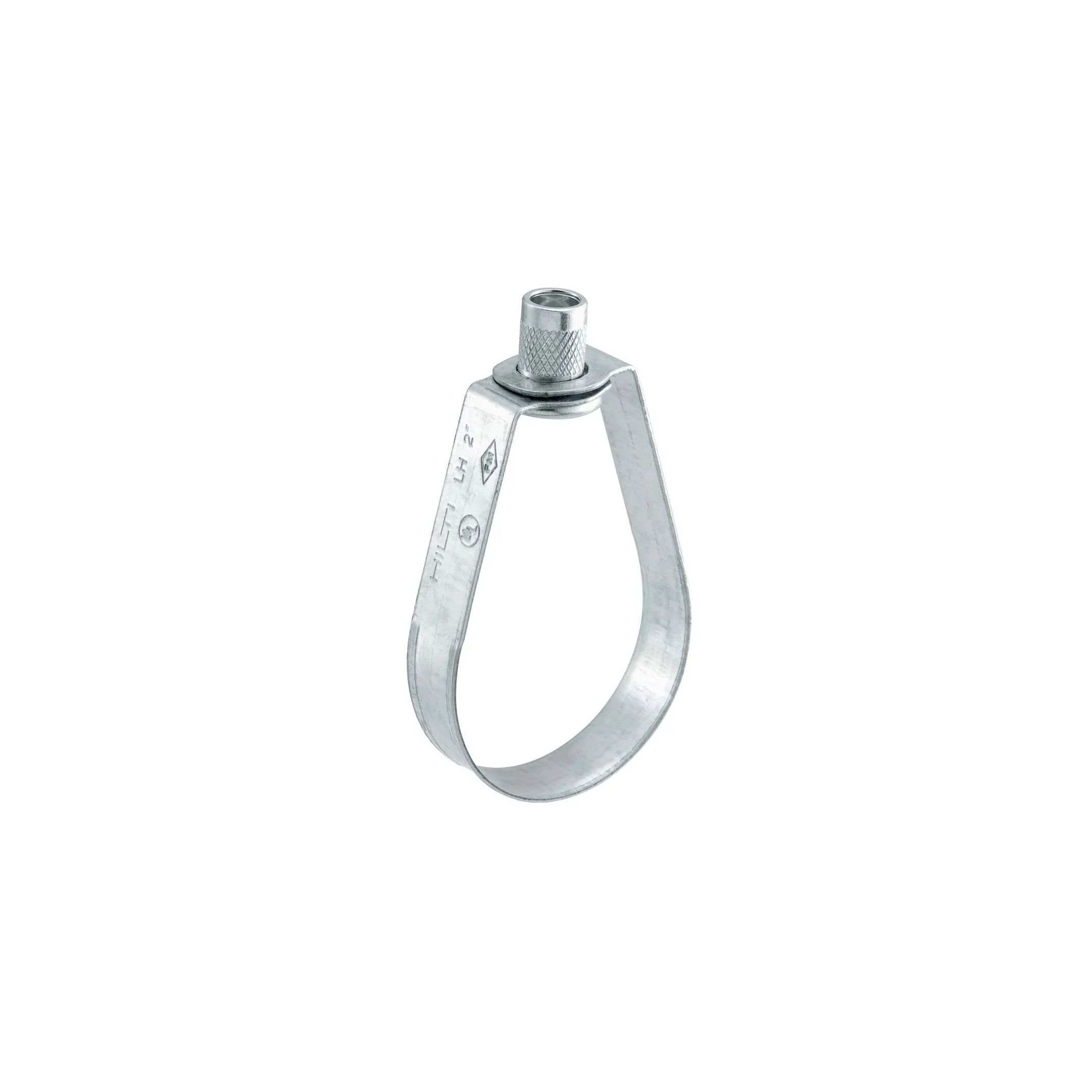
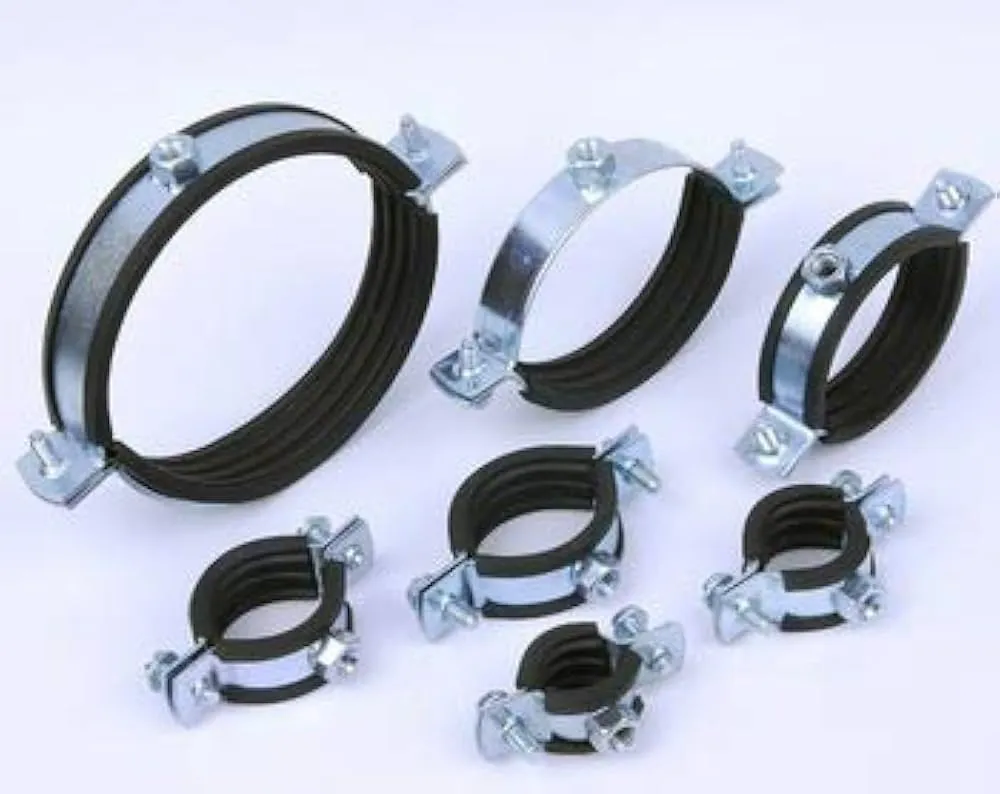
Distribution pipework is carried on clamps, rails, threaded rod and cantilever arms. We supply the Fischer FRS pipe clamp range, ALK cantilever arms and the rails and connecting hardware that go with them. FRS clamps are rubber-lined, compliant with DIN 4109 for sound insulation and rated R120 for fire resistance.
Wall-hung and floor-standing boilers
A wall-hung condensing unit puts its whole weight, full of water, into the wall behind it. The wall material decides the anchor: stone, hollow block and concrete each take a different fixing, and hollow block is the one that most repays checking rather than assuming.
Rooftop collectors and exposed installations
The mounting hardware comes with the Lato system. What that hardware stands on is a fixing into the roof structure, in a position that is exposed, hot and rarely revisited. Our range runs from zinc-plated steel through hot-dip galvanised to A4 stainless, so the fixing can be specified for the exposure rather than for the price.
None of this is complicated. It is the part of the mechanical scope that gets decided on site, by whoever is holding the drill, unless it was decided in the specification first. Where the fixings are specified with the system, we can put them on the same schedule.
Everything in the Building Is Held Up by Something
Pipework, boilers and solar collectors all pass their weight into the structure at some point. That point is an anchor or a bracket.
Maincor Underfloor Heating
A filled manifold and the pipework running back to the boiler room are dead load on a wall, and that load ends up in the anchors, not in the clip rails holding the loops down.
View the systemBongioanni Boilers
A wall-hung boiler hangs off its bracket for the life of the building, and the pipework leaving the boiler room is suspended on clamps, rails and cantilever arms.
View the systemLato Solar Water Heating
A collector array on an open roof takes wind load from every direction, and all of it passes through the fixings tying the mounting hardware to the slab.
View the systemTechnical & Compliance Hub
Official technical compliance certificates and system declarations from the manufacturer.
| Feature | Specification |
|---|---|
| Approved Substrates | Concrete (cracked/uncracked), Solid Masonry, Hollow Bricks, Natural Stone |
| Anchor Type Range | Mechanical (Wedge, Sleeve, Drop-in, Through-bolt), Chemical (Injection resins) |
| Anchor Diameters | M6 to M30 (standard range stocked in Amman) |
| Material Options | Zinc-plated steel, Hot-dip galvanised, A4 Stainless Steel |
| Standard Certifications | ETA (European Technical Assessment), CE, Fire resistance R120, DIN 4109 |
| Slab Fixings suitability | Approved for seismic zones and overhead installations |
Clamps, anchors and plugs also sell one box at a time. Stock concentrates on the M8 and M10 sizes that MEP suspension actually uses, so those are on the shelf rather than ordered in, alongside strut channel, cantilever arms and the sealants that go with them.